
The best time for tree removal in Lewisburg and Marshall County, TN is late fall through winter, roughly November through February. Trees are dormant, temperatures are cooler, and there is less foliage to deal with during removal. January and February are usually the strongest months for planned removals.
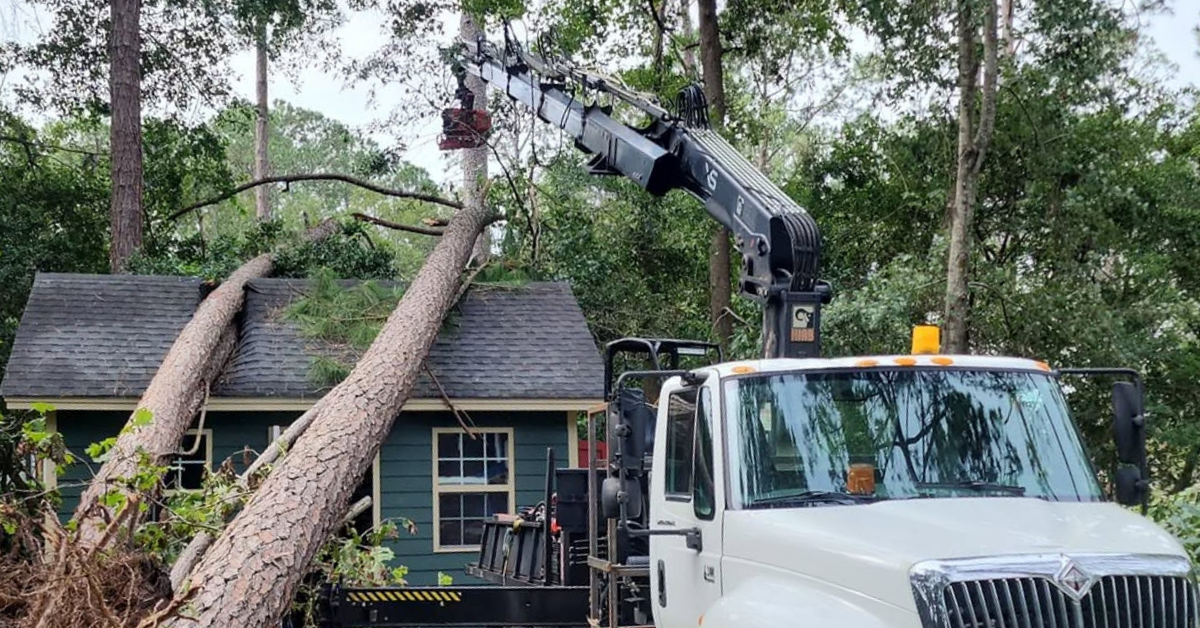
That said, a hazardous tree should not wait for the right season. A split trunk, major storm damage, severe lean, or large dead branches over a home can make removal necessary at any time of year.
Here is how each season affects tree removal in Lewisburg and Marshall County, and why winter is usually the best window.
Why Winter Is the Best Season for Tree Removal in Lewisburg
Dormant trees are easier to work around
During late fall and winter, many deciduous trees in Middle Tennessee lose their leaves and enter dormancy. A bare canopy gives a tree crew a much clearer view of the structure, including dead branches, weak unions, cracks, cavities, and areas of decay.
With less foliage, crews can also better evaluate the tree’s lean and plan how individual sections should come down.
Cooler weather makes difficult removals easier
Lewisburg and Marshall County can experience hot, humid summers. Winter generally provides cooler working conditions for crews handling large trees and heavy equipment.
Cooler weather can also make long removal jobs more manageable, particularly when a tree requires climbing, rigging, a bucket truck, or other specialized equipment.
Bare trees provide better visibility
A full summer canopy can hide structural problems. Once the leaves are gone, problems such as dead limbs, broken branches, cavities, and damaged areas of the trunk are easier to identify.
This is especially useful when deciding whether a declining tree can be maintained or whether removal is the safer option.
Winter is a good time to plan before severe weather
Tennessee trees can face strong storms, high winds, and heavy rainfall throughout the year. Storm damage can quickly increase demand for tree services.
Removing a declining or structurally compromised tree during the winter can reduce the chance of dealing with an emergency after a major storm.
Season by Season: What to Expect in Marshall County
Winter, December through February: the strongest window
Winter is generally the best time for planned tree removal in Lewisburg and throughout Marshall County.
The advantages include:
- Many deciduous trees are dormant and have fewer leaves.
- Tree structure is easier to inspect.
- Cooler temperatures make difficult work more manageable.
- Winter is a good time to address declining trees before spring storms.
- Oak removal can be planned outside Tennessee’s higher-risk oak wilt period.
If you already know a tree needs to come down, winter is a good time to schedule the work rather than waiting for it to become an emergency.
Spring, March through May: workable, but timing matters
Spring is a busy growing season for trees in Middle Tennessee. Trees begin producing new leaves, temperatures rise, and storms can bring wind and heavy rain.
One important consideration is oak trees. The Tennessee Division of Forestry recommends avoiding pruning oaks from March through July because insects that can spread oak wilt are active during this period. Tennessee has detected oak wilt in the past, although it is not currently considered established across the state.
If an oak on your Lewisburg or Marshall County property needs removal, ask a qualified tree professional about the safest timing rather than automatically scheduling the work during spring.
Summer, June through August: possible, but less ideal
Tree removal can be performed during summer, but Middle Tennessee’s heat and humidity can make large jobs more difficult.
Trees are also carrying a full canopy, which adds weight and can make certain removals more complicated. Summer storms can also create sudden demand for emergency tree work.
If a tree is healthy but needs to be removed for a planned reason, waiting until cooler weather may make more sense. A hazardous tree, however, should be evaluated immediately.
Fall, September through November: another good window
Fall is often an excellent time for planned tree removal in Lewisburg and Marshall County. Temperatures become more comfortable, leaves begin to drop, and crews can get a better view of the tree’s structure.
Late fall is particularly useful for homeowners who want to address declining or damaged trees before winter storms.
Do Not Wait for the Season If Your Tree Is a Hazard
Seasonal timing is useful for planning, but safety comes first.
Have a tree evaluated promptly if you notice:
- A sudden or significant lean
- A split or damaged trunk
- Large dead branches over a house or driveway
- Major storm damage
- Cracks around major branch unions
- Visible decay or large cavities
- Root damage or soil movement around the base
- Large sections of dead or declining canopy
Tennessee’s Division of Forestry notes that trees with major trunk or root damage after severe storms may need to be removed, and recommends professional help for dangerous trees, particularly those near structures or power lines.
What Lewisburg Homeowners Should Know Before Tree Removal
Most routine tree removal on a private residential property does not simply come down to choosing a date. The location of the tree, nearby structures, utility lines, access for equipment, and local regulations can all affect the project.
Lewisburg’s Planning and Codes Department oversees municipal codes, planning, zoning, and stormwater requirements. Land-disturbing activities such as clearing, grading, and excavation can require permits depending on the project.
For a straightforward tree removal, ask your tree service whether any local permit or land-disturbance requirements apply before work begins.
Planning Your Tree Removal in Marshall County
If the tree is not an immediate hazard, plan the removal several weeks ahead, particularly if you want work completed during the preferred winter window.
Before scheduling, confirm:
- The tree removal price and what’s included
- Whether stump grinding is included or separate
- How the crew will protect your lawn and driveway
- How the wood and branches will be removed
- Whether equipment such as a bucket truck or crane is needed
- Whether any local permits or approvals apply
Tennessee also recommends using a qualified professional for individual tree concerns and tree service work, particularly when trees are near structures or power lines.
Frequently Asked Questions
What is the best month for tree removal in Lewisburg, TN?
January and February are usually excellent months for planned tree removal. Trees are dormant, many have lost their leaves, and the structure is easier to evaluate.
Can trees be removed in winter in Tennessee?
Yes. Winter is often one of the best times for planned tree removal in Middle Tennessee because of cooler weather and reduced foliage.
Is spring a bad time to remove trees in Tennessee?
Not necessarily. Tree removal can be done in spring when necessary, but oak trees require additional consideration. Tennessee recommends avoiding oak pruning from March through July because of oak wilt concerns.
When should I remove a storm-damaged tree?
As soon as possible if the tree presents a safety risk. Do not wait for winter if a damaged tree is leaning toward a house, has a split trunk, has large broken limbs, or is otherwise unstable.
Should I wait until winter to remove a dead tree?
If the tree is stable and does not pose a hazard, waiting for the cooler months can make sense. If dead branches are over a structure, driveway, or area where people walk, have the tree evaluated sooner.
Is fall a good time for tree removal in Marshall County?
Yes. Late fall is a good time for planned removals because temperatures are cooler and falling leaves provide better visibility into the tree’s structure.
For professional tree removal in Lewisburg and Marshall County, contact a qualified local tree service like Top Notch Property Management for an on-site assessment and estimate.


