Marshall County and Lewisburg, Tennessee, offer plenty of opportunities to enjoy the outdoors. From local parks and walking trails to the Duck River and Henry Horton State Park, the area has a mix of green spaces where residents can walk, exercise, spend time with family, and enjoy the natural landscape.
Lewisburg itself has a number of parks and recreational areas, while the surrounding Marshall County countryside provides even more places to explore. These outdoor spaces are an important part of what makes the area appealing to both residents and visitors.
Enjoying the Parks in Lewisburg
Lewisburg maintains several parks throughout the community, providing places for recreation, sports, walking, picnics, and family activities. The city’s parks include Harmon Park, Davis Park, Jones Park, Rock Creek Park, New Lake Park, and Southside Park, among others.
Jones Park, located along North Ellington Parkway, includes a playground, picnic shelter, basketball court, horseshoe pits, and areas for football, softball, and soccer practice.
These parks give residents convenient places to spend time outside without having to travel far from home.
Exploring Rock Creek Park and the Greenway
Rock Creek Park is one of the area’s notable outdoor destinations. The 15-acre park includes a farmers’ pavilion, stage, restrooms, a creek, and a greenway.
The greenway provides walking opportunities through Lewisburg, including sections connecting the library area toward Lone Oak Cemetery and Columbia State Community College.
Walking along the greenway is a simple way to experience some of the area’s trees, vegetation, and natural surroundings while staying close to the city.
Visiting Henry Horton State Park
For a larger outdoor experience, residents and visitors can head to Henry Horton State Park in Marshall County. The park offers a variety of recreational opportunities, including hiking, camping, golf, swimming, and canoeing.
The park is also part of the broader outdoor landscape that makes Marshall County appealing. Its trails and natural areas give visitors a chance to experience Middle Tennessee’s scenery while enjoying activities outside.
Exploring the Duck River
The Duck River is another important natural feature of Marshall County. The river provides opportunities for fishing, paddling, and other water-based recreation.
Its presence also adds to the area’s natural character. Along with parks, forests, farmland, and open spaces, the river contributes to the variety of landscapes found throughout Marshall County.
Walking and Outdoor Recreation Around Marshall County
Outdoor recreation is a major part of life in Marshall County. Local resources identify numerous walking routes and recreation areas throughout the county, giving residents different options depending on how they want to spend their time outdoors.
Some people may prefer an easy walk through a city park, while others may want to hike, bike, paddle, or spend several hours exploring a larger natural area.
This variety makes it easy for residents to enjoy the outdoors throughout the year.
Trees and Green Spaces Around Lewisburg
Trees are an important part of both public parks and residential properties throughout Lewisburg and Marshall County. Mature trees provide shade, improve the appearance of outdoor spaces, and contribute to the character of local neighborhoods.
Trees can also make parks and walking areas more comfortable during warmer months. In residential areas, they can provide shade around homes, patios, driveways, and yards.
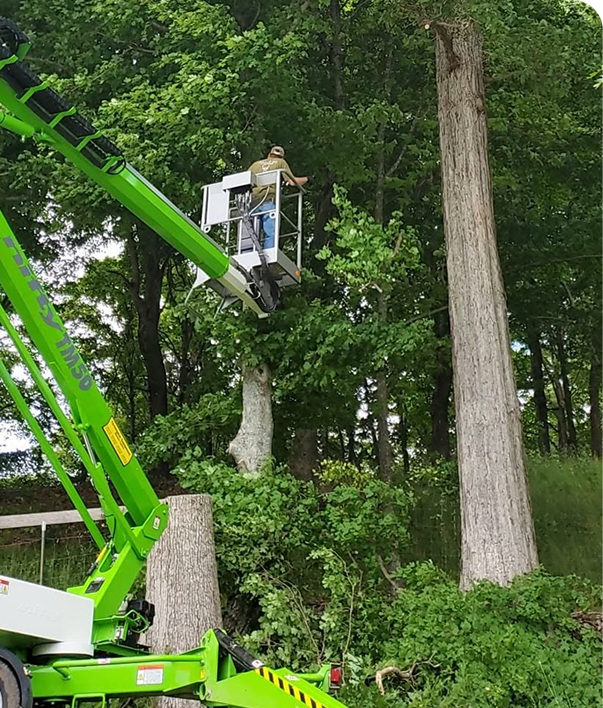
Keeping mature trees healthy requires ongoing care, such as tree trimming and pruning in Lewisburg. Dead branches, storm damage, disease, decay, and structural problems can become safety concerns if they are left untreated.
How Tennessee Weather Affects the Local Landscape
Marshall County experiences changing conditions throughout the year, from hot and humid summers to periods of heavy rain, storms, and colder winter weather. These conditions can affect trees and other vegetation across the region, which is why the best time for tree removal in Lewisburg depends on the season.
Strong winds and storms can break branches or damage trees, sometimes badly enough to need emergency tree service, while heavy rainfall can affect soil and root systems. Extended periods of hot weather can also place additional stress on trees.
Regular inspections and proper maintenance can help homeowners identify problems before they become more serious.
Enjoying Marshall County’s Green Spaces
One of the advantages of living in Marshall County is having access to both community recreation areas and larger natural spaces. Residents can spend the morning walking through Lewisburg park, explore the Rock Creek greenway, visit Henry Horton State Park, or enjoy time along the Duck River.
These places provide more than recreational opportunities. They are part of the local landscape and contribute to the quality of life throughout the community.
Keeping Lewisburg and Marshall County Green
Parks, trails, trees, rivers, and open spaces all contribute to the character of Marshall County. Maintaining these areas and taking care of the trees around homes and businesses can help preserve the area’s natural appeal.
For homeowners, regular tree care is one simple way to maintain a healthy outdoor environment. Pruning, inspections, and removing damaged or hazardous trees can help keep properties safer while protecting mature trees whenever possible. Top Notch Tree Service Tennessee helps homeowners across Lewisburg and Marshall County look after the trees on their property.
Whether you’re exploring a local park, walking the Rock Creek greenway, visiting Henry Horton State Park, or simply enjoying your own backyard, Marshall County and Lewisburg offer plenty of ways to experience the outdoors.
Frequently Asked Questions About Parks and Green Spaces in Marshall County, TN
What parks are in Lewisburg, TN?
Lewisburg’s city parks include Rock Creek Park, Jones Park, Davis Park, New Lake Park, Harmon Square Park, and Governor’s Square Park, along with a community garden and youth sports fields. The City of Lewisburg Parks and Recreation Department maintains them, and most are a short drive from anywhere in town.
Where is the best place to walk in Lewisburg?
Rock Creek Park and its greenway are the easiest place for a walk in Lewisburg. The 15-acre park sits along the creek, and the greenway gives you a level path through town without leaving the city. For a longer outing, Henry Horton State Park has hiking trails a short drive away.
What can you do at Henry Horton State Park?
Henry Horton State Park in Marshall County offers hiking, camping, golf, swimming, and canoeing. It sits along the Duck River, so it works for a day trip on the trails or a weekend at the campground. It is the largest outdoor destination in the county.
Can you fish or paddle on the Duck River in Marshall County?
Yes. The Duck River is open to fishing and to canoe and kayak float trips, and the Tennessee Wildlife Resources Agency lists public access sites along it. The river runs 284 miles across Middle Tennessee and is described by the agency as the most biologically diverse river in North America.
Why are mature trees important in Marshall County’s parks and neighborhoods?
Mature trees provide shade, make parks and walking paths more comfortable in summer, and give Lewisburg’s neighborhoods much of their character. Around homes they shade patios, driveways, and yards. They take decades to replace, which is why regular care matters more than removal.
How does Middle Tennessee weather affect trees in Lewisburg?
Middle Tennessee’s hot, humid summers, heavy rain, and strong storms all put stress on trees. High winds break weak branches, saturated soil loosens roots, and long hot spells weaken trees that are already struggling. Checking your trees after severe weather helps you catch damage early.
How can Lewisburg homeowners keep their trees healthy?
Homeowners can keep trees healthy by inspecting them each season, pruning dead or weak branches, and having damaged trees assessed before storm season. Dead limbs, trunk cracks, decay at the base, and a new lean are the signs to act on. A qualified tree service can tell you whether pruning is enough or removal is safer.